Source Adjustable Eco Friendly Shoe Tree for Shape, Care, and Stretch
Compare 30 listings for adjustable eco friendly shoe tree options made from plastic or natural beech wood. Buyers can evaluate customization, packaging, and MOQs to find suitable suppliers for shoe care and stretching needs; compare the available evidence and request quotations based on your requirements.
Key considerations
Products List





Comprehensive Sourcing Guide
Adjustable Eco Friendly Shoe Tree Sourcing Guide
Procuring adjustable shoe trees requires balancing material integrity with functional adaptability to ensure long-term footwear preservation. Buyers must prioritize suppliers who offer customizable dimensions to accommodate diverse shoe sizes, ranging from standard adult fits to specialized athletic or formal wear. The market presents options in both plastic and natural wood, each offering distinct advantages in terms of weight, cost, and environmental impact. Understanding these material differences is critical for selecting the right product for specific brand positioning and customer expectations.
Sourcing decisions should also account for the specific features that define an eco-friendly product, such as the use of sustainable beech wood or recyclable plastics. Buyers need to verify that the adjustable mechanisms are durable and do not compromise the structural integrity of the shoe. Additionally, considering the packaging and branding options allows for a more cohesive product launch. This guide outlines the key technical, commercial, and quality factors necessary for making informed procurement decisions in this specialized category.
Product Scope and Observed Listing Signals
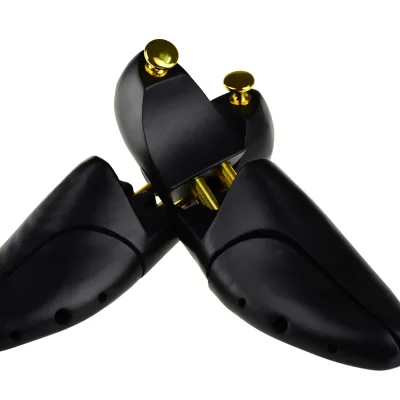
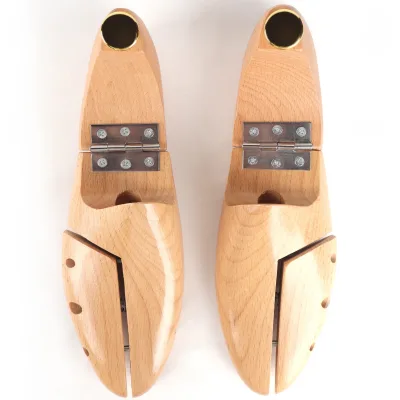
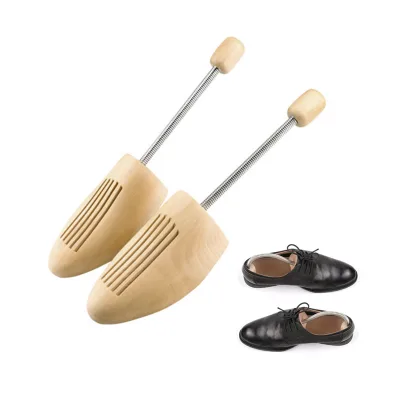
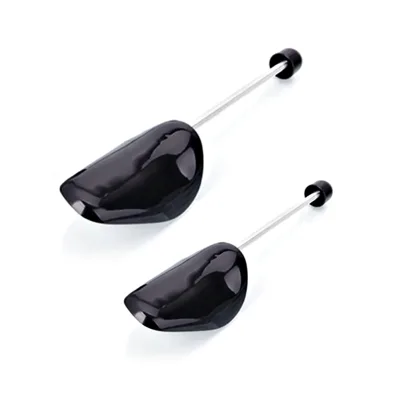
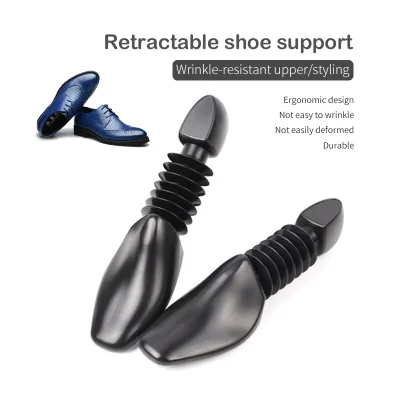
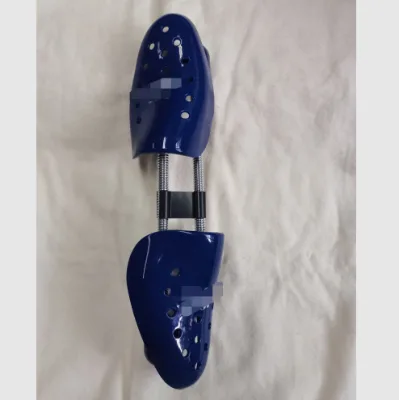
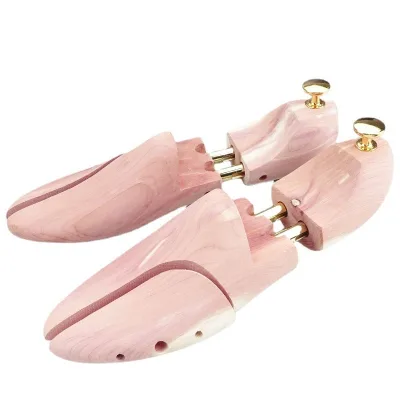
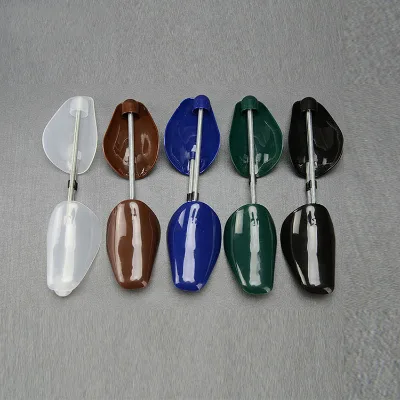
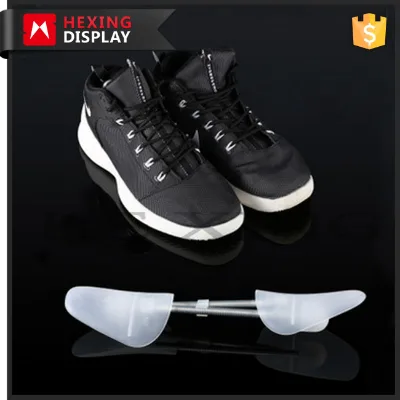
The current market landscape for adjustable shoe trees includes a variety of materials, primarily plastic and natural beech wood, catering to different aesthetic and functional needs. Listings indicate that products are available in black plastic and natural wood colors, with some options featuring embossed or metal plate logos for brand customization. The observed price range spans from $0.49 to $15, reflecting significant variation in material quality and manufacturing complexity. Buyers should note that while some products are marketed as eco-friendly, the specific environmental certifications are not universally disclosed in standard listings.
Minimum Order Quantities (MOQ) vary widely, with some suppliers requiring as few as one pair for sampling, while others mandate orders of 500 to 3000 pieces for bulk production. This flexibility allows buyers to test market response with low-risk initial orders before committing to larger volumes. Sample times are typically short, ranging from one to three days, which facilitates rapid iteration and approval processes. Understanding these commercial signals helps buyers align their inventory planning with supplier capabilities and avoid unexpected delays or minimum purchase burdens.
Technical Specifications to Verify
When evaluating technical specifications, buyers must confirm the exact dimensions and adjustability range of the shoe trees to ensure compatibility with their target footwear. Observed sizes range from 33-46 and 35-46, with some models specifically designed for larger sizes up to 46. It is essential to verify the single package dimensions and gross weight, as these factors directly impact shipping costs and storage requirements. For instance, some products have a single gross weight of 1.220 kg, while others may weigh up to 2.5 kg, depending on the material and construction.
The material composition is a critical technical factor, with natural beech wood offering superior moisture absorption and shape retention compared to plastic alternatives. Buyers should verify whether the wood is treated with any chemicals that might affect its eco-friendly status or odor-neutralizing properties. Additionally, the adjustable mechanism should be tested for smooth operation and durability. Confirming the model numbers and specific features, such as anti-wrinkle or anti-moisture capabilities, ensures that the product meets the functional requirements of the end-user.
Compliance and Safety Documentation
Compliance and safety documentation are paramount when sourcing products intended for direct contact with footwear and, by extension, human feet. Buyers should request evidence that the materials used, particularly any adhesives or finishes on wooden shoe trees, are free from harmful substances like formaldehyde or heavy metals. While specific certification statuses are not always listed, verifying adherence to international safety standards for consumer goods is essential to mitigate liability and ensure product safety.
For plastic shoe trees, buyers should inquire about the type of plastic used and its recyclability to support sustainability claims. Documentation regarding the origin of the wood, such as FSC certification, can further validate eco-friendly assertions. Additionally, ensuring that the products meet relevant electrical safety standards is unnecessary for non-electronic shoe trees, but general product safety regulations still apply. Buyers must ensure that all documentation is up-to-date and verifiable to maintain brand integrity and consumer trust.
Cost Drivers and Commercial Terms
Cost drivers for adjustable shoe trees include material selection, manufacturing complexity, and customization requirements. Natural beech wood is generally more expensive than plastic due to sourcing and processing costs, but it offers perceived higher value to consumers. Customization options, such as logo embossing or unique packaging, can also increase the unit price. Buyers should analyze the total landed cost, including shipping, duties, and handling fees, rather than focusing solely on the unit price.
Commercial terms such as payment methods, lead times, and return policies significantly impact the procurement process. Observed payment options include T/T, PayPal, credit card, and LC, offering flexibility for different transaction sizes. Lead times can vary based on order volume and customization needs, so buyers should establish clear timelines with suppliers. Understanding these commercial terms helps in budgeting accurately and managing cash flow effectively throughout the procurement cycle.
Supplier Qualification and Quality Control
Supplier qualification involves assessing the manufacturer’s production capabilities, quality control processes, and track record. Buyers should verify the supplier’s location, with many originating from regions like Fujian and Guangdong in China, known for their manufacturing expertise. Requesting samples is a crucial step to evaluate the build quality, adjustability mechanism, and overall finish of the shoe trees. Suppliers offering OEM/ODM services should be evaluated for their ability to meet specific design and branding requirements.
Quality control measures should include regular inspections of raw materials and finished products to ensure consistency. Buyers should inquire about the supplier’s defect rate and their process for handling non-conforming goods. Establishing a clear communication channel for addressing quality issues is essential for maintaining a reliable supply chain. Additionally, verifying the supplier’s capacity to handle large orders without compromising quality is vital for scaling procurement efforts effectively.
Long-Term Procurement Checks
Long-term procurement checks focus on maintaining supplier performance and adapting to market changes. Buyers should conduct periodic reviews of supplier quality, delivery times, and responsiveness to ensure continued reliability. Monitoring market trends for new materials or technologies in shoe tree manufacturing can provide opportunities for innovation and cost savings. Building a strong relationship with suppliers can lead to better pricing, priority production, and collaborative problem-solving.
Additionally, buyers should stay informed about regulatory changes and sustainability standards that may impact product requirements. Regularly updating product specifications and supplier contracts ensures alignment with evolving consumer preferences and legal obligations. Implementing a robust feedback loop from end-users can help identify areas for product improvement and enhance customer satisfaction. By proactively managing these long-term factors, buyers can secure a competitive advantage and sustain growth in the adjustable shoe tree market.
FAQs
What materials are used for adjustable eco friendly shoe trees?
Adjustable eco friendly shoe trees are typically crafted from natural beech wood or durable plastic. Beech wood offers an eco-friendly, odor-absorbing solution that maintains shoe shape effectively. Plastic variants provide lightweight, customizable options for various shoe types. Both materials ensure longevity and support, with wood being preferred for its natural moisture-wicking properties and plastic for its adaptability and cost-effectiveness in bulk orders.
Can I customize the logo on these shoe trees?
Yes, customization is available for most adjustable eco friendly shoe trees. Buyers can opt for metal plate logos, embossed designs, or fully customized branding. This service supports OEM and ODM processes, allowing businesses to enhance brand visibility. Customization typically requires a minimum order quantity, often starting at 500 pieces, and may involve sample approval before full production begins to ensure quality standards are met.
What is the typical MOQ for ordering shoe trees?
The minimum order quantity varies by supplier and material. For plastic shoe trees, MOQs can start as low as 500 pieces or even 1 pair for samples. Wooden beech shoe trees often require a minimum of 200 pairs or 1000 pieces for bulk orders. These thresholds help manufacturers cover setup costs while offering flexibility for smaller buyers testing the market or requesting initial prototypes.
How long does it take to receive samples?
Sample preparation for adjustable eco friendly shoe trees usually takes 1 to 3 days. This quick turnaround allows buyers to evaluate material quality, fit, and customization options before committing to larger orders. Samples are essential for verifying that the product meets specific size requirements, such as sizes 33-46 or 35-46, and ensures the final production aligns with your brand's expectations and quality standards.
What features do these shoe trees offer for shoe care?
These shoe trees provide anti-wrinkle, anti-odor, and anti-moisture features to extend shoe life. They help maintain the original shape of footwear, preventing creases and deformation. The natural beech wood variant is particularly effective at absorbing moisture and neutralizing odors. Plastic versions offer similar structural support with added durability. Both types are designed to protect shoes from environmental damage and wear, ensuring they remain in pristine condition.
Where are these shoe trees typically manufactured?
Manufacturing locations for these products include Fujian and Guangdong, China. These regions are known for their robust manufacturing capabilities in both plastic and wood processing industries. Buyers can source from factories in these areas to benefit from established supply chains and competitive pricing. The origin influences lead times and shipping costs, so selecting a supplier in these regions can streamline the procurement process for international buyers.